
Listen to the audio here
Key Takeaway:
In modern electronic music production, using the right mixing and mastering plugins is essential for achieving professional-grade results. The most essential mixing plugins include equalizers, compressors, saturation plugins, reverb, and delay plugins, which help shape and balance individual tracks. On the other hand, mastering plugins like multiband compressors, limiters, equalizers, stereo wideners, and harmonic exciters fine-tune the overall mix, ensuring optimal loudness and tonal balance.
When choosing plugins, consider factors such as sound quality, workflow, compatibility, and budget. To use plugins effectively, focus on gain staging, avoid over-processing, and develop critical listening skills. Remember that plugins are tools that require experimentation and continuous learning to develop your unique sound. With the right plugins and techniques, you can elevate your electronic music productions to new heights of quality and creativity. Also don’t get blinded by FOMO. More isn’t always better and necessary at all.
It doesn’t have to be complicated or expensive to use plugins to mix your music. Start simple and as your knowledge grows, expand and experiment. This short article will give you an overview of the most essential and basic tools for creating some great sound.
The article is not an in depth look into all the great plugins and tools there are for creating some good audio and music. But I will give you my opinion on the most effective tools and the ones I most often use in my production. Also its not all about the technics and the quality of the audio. Creativity first and then
sound quality.
Introduction
In the world of music production, mixing and mastering are two crucial processes that shape the overall sound and quality of a track. Mixing involves blending and processing individual tracks to create a cohesive and balanced sound, while mastering focuses on preparing the final mix for distribution by fine-tuning the overall sound and loudness.
To achieve professional-grade results, music producers rely on a variety of plugins that provide powerful tools for shaping and enhancing the audio. In this comprehensive guide, we will explore the most essential mixing and mastering plugins used in modern electronic music production. We will delve into their functionalities, provide examples of popular plugins, and offer insightful tips on how to use them effectively to elevate your electronic tracks to the next level.
I. Mixing Plugins
Mixing plugins play a vital role in sculpting individual tracks and creating a well-balanced mix. The following are some of the most essential mixing plugins used by electronic music producers.
A. Equalizer Plugin
An equalizer (EQ) plugin allows precise control over the frequency balance of a track by boosting or attenuating specific frequencies. It is an indispensable tool for shaping the tonal characteristics of individual elements within a mix. Whether you’re sculpting the perfect kick drum or taming harsh highs, an EQ plugin is essential.
Popular EQ plugins in modern electronic music production include:
- TDR SlickEQ : Intuitively designed layout for a semi-parametric EQ that also offers flexibility. Experience an exceptional usability and ergonomic interface in a modern approach.
- Izotope Neutron 4: Activate the dynamic mode to apply sidechain attenuation that responds to gain, or use the static mode of each of the 12 EQ band nodes to create a consistent, steady attenuation.

To use an EQ plugin effectively in mixing, focus on identifying frequency clashes between different elements, cutting unwanted frequencies, enhancing desired characteristics, and achieving a balanced frequency spectrum.
B. Compressor Plugin
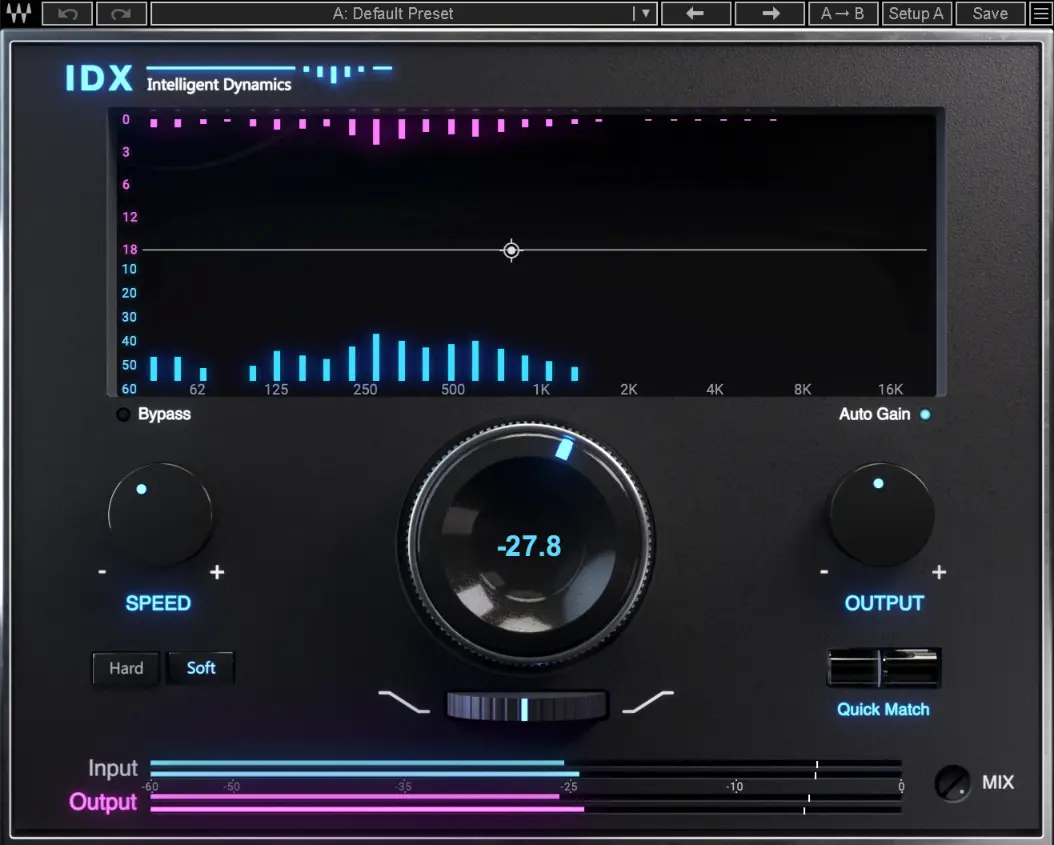
A compressor plugin is an essential tool for controlling the dynamic range of a track, ensuring that the loud parts are controlled while bringing up the quieter elements. It helps to even out the levels and adds cohesion to the mix.
Popular compressor plugins used in electronic music production include:
- Waves SSL G-Master Buss Compressor: Modeled after the legendary SSL bus compressor, this plugin adds glue and character to a mix while providing precise control over dynamics.
- TDR Kotelnikov : This cutting-edge tool is the offspring of the esteemed TDR Feedback Compressor product family, inheriting its distinctive features such as a tried-and-true control scheme, individual release control for peak and RMS content, an intuitive user interface, and state-of-the-art, high-precision algorithms.

When using a compressor plugin, consider the attack and release settings to shape the transients and sustain of each track. Pay attention to the ratio and threshold settings to control the level of compression applied.
C. Saturation Plugin
Saturation plugins are great for adding warmth, harmonics, and character to digital audio recordings. They emulate the pleasant distortion characteristics of analog hardware, enhancing the richness and depth of a track.

Popular saturation plugins used in modern electronic music production include:
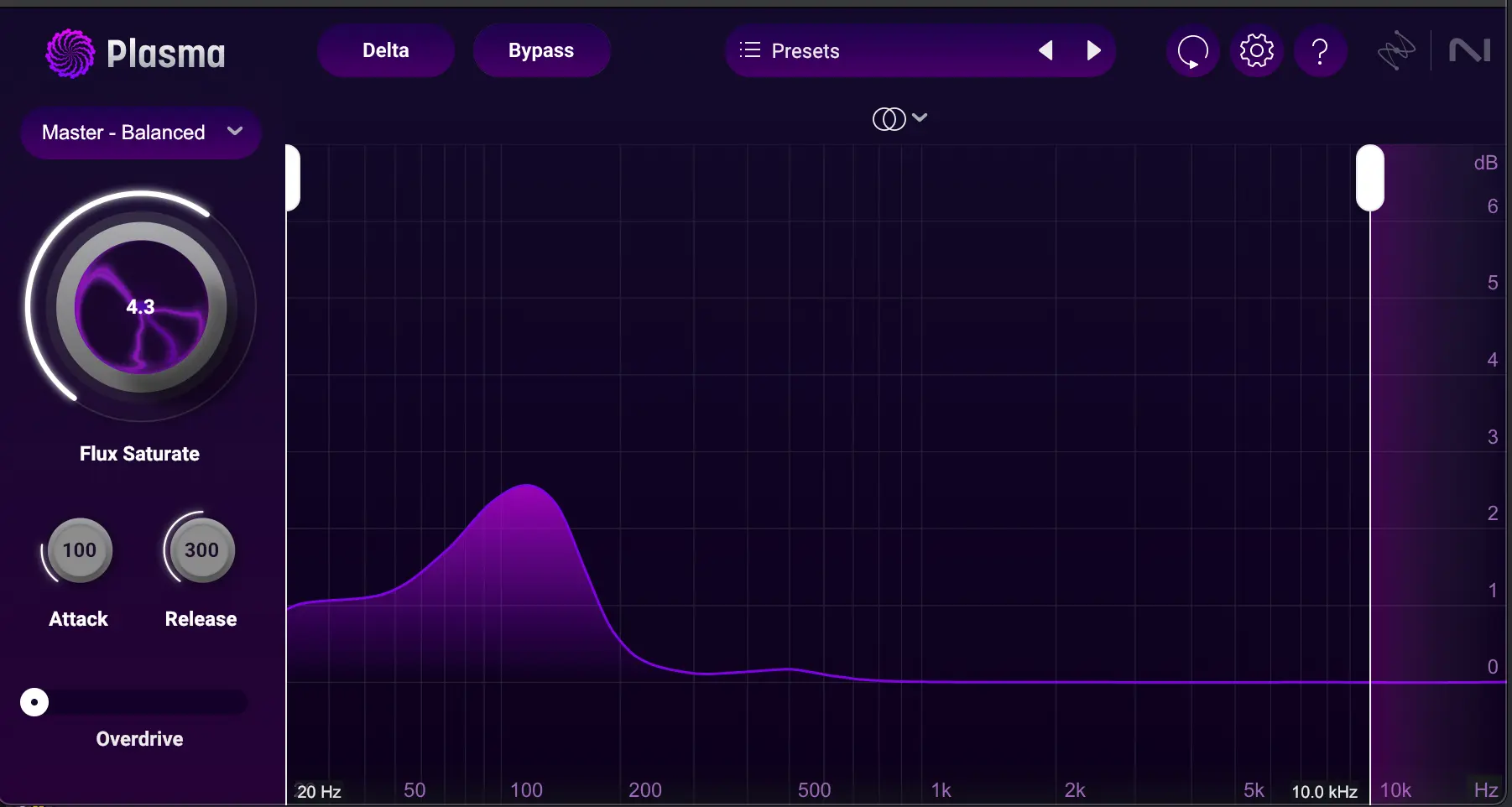
- Softube Saturation Knob: Free and simple to use. Good for enhancing drums and bass, adding harmonics to vocals, and more.
- Heavyocity Fury: The FURY distortion can modify your sound with diverse levels of distortion, ranging from soft heat to strong clipping, low-quality crush to analog-style circuits, and plain to disorderly.
To utilize a saturation plugin effectively, experiment with different saturation levels to add warmth and character to individual tracks. Consider using it on drums, synths, or vocals to create a more organic and analog-like sound.
D. Reverb Plugin
Reverb plugins are essential for adding space, depth, and ambiance to a track. They simulate the natural reflections heard in different types of acoustic environments, such as halls, rooms, or plates.
Popular reverb plugins used in electronic music production include:
- ValhallaRoom: Known for its lush and everlasting reverbs, ValhallaRoom offers a wide range of algorithms and parameters to create various ambient spaces. My all-time favourite reverb plugin.
- Eventide Blackhole: Blackhole can create space-warping effects and drones in addition to useful musical effects that highlight key instruments or serve as background for a mix.

When using a reverb plugin, consider the decay time, pre-delay, and damping parameters to shape the size and character of the virtual space. Pay attention to the balance between the wet (reverberated) and dry (original) signals to achieve the desired sense of depth and immersion.
For further info about Reverb, read this article I created. Using Reverb In Electronic Music Production
E. Delay Plugin
Delay plugins are used to create echoes and repeats of a sound, adding rhythmic interest, depth, and spatial effects to a mix. They are particularly useful for enhancing percussive elements, creating intricate patterns, or adding a sense of movement to individual tracks.
Popular delay plugins used in modern electronic music production include:
- ValhallaDelay: This versatile plugin offers a wide range of delay effects, from classic analog emulations to modern digital delays and unique rhythmic patterns.
- Air Delay Pro: Featuring vintage and Digital inspired analog character, Air Delay provides comprehensive controls for shaping the delay time, feedback, filtering, and modulation.
When using a delay plugin, experiment with different delay times, feedback levels, and modulation settings to create interesting rhythmic effects. Consider using ping-pong delays that alternate between the left and right channels for a wider stereo image.
II. Mastering Plugins

Mastering plugins are essential for finalizing and fine-tuning the overall mix before distribution. These plugins help to ensure that the final track sounds polished, punchy, and consistent across different playback systems. Let’s explore the essential mastering plugins used in electronic music production.
A. Multiband Compressor Plugin
A multiband compressor plugin operates similarly to a regular compressor but with the ability to apply different compression settings to different frequency bands. This allows for precise control over the dynamics of various elements in the mix.
Popular multiband compressor plugins used in electronic music mastering include:
- Softube Drawner S73: Shape your mix with clarity, definition, and ten unique styles, thanks to the authentic analog sound of the Drawmer 1973 multi-band compressor.
- Waves C6: Known for its transparent sound and flexible multi-band operation, the C6 provides advanced controls for shaping the dynamics across different frequency ranges.

When using a multiband compressor in mastering, carefully set the threshold, ratio, attack, and release parameters for each frequency band to achieve a balanced and controlled overall sound.
B. Limiter Plugin
A limiter is an essential tool for ensuring that the final mix doesn’t exceed a certain peak level while increasing overall loudness. It helps prevent clipping and allows for maximizing the perceived volume of the track.
Popular limiter plugins used in electronic music mastering include:
- iZotope Ozone 11: Offering transparent limiting algorithms, comprehensive metering, and diverse options for shaping the final sound, Including AI Powered features Ozone 11is widely used for professional mastering.
- Waves L3-LL Multi: Known for its high-quality limiting algorithms and versatile features, the L3-LL Multi allows precise control over loudness while maintaining clarity and dynamics.
When using a limiter plugin in mastering, set the output ceiling to avoid peak distortion while adjusting the threshold to achieve an appropriate level of loudness without sacrificing clarity or dynamic range.
C. Equalizer Plugin (Mastering)
Similar to mixing, an equalizer plugin is essential in mastering to shape the overall frequency balance of the final mix. However, in mastering, the focus is on making subtle adjustments to enhance the overall tonal balance rather than fixing individual track issues.
Popular equalizer plugins used in mastering electronic music include:
- Izotope Ozone 11: With its transparent sound, dynamic EQ capabilities, and precise control, Ozone 10 is a versatile tool for fine-tuning the frequency balance in the mastering stage.
- TDR SlickEQ Mastering Edition: Cutting-edge audio processing algorithms implemented in a parallel equalizer configuration. You can adjust the spectral balance and stereo width using six complete parametric EQ bands.

When using an equalizer plugin in mastering, make subtle boosts or cuts to address any tonal imbalances or enhance desired frequencies. Pay attention to the overall tonal balance and avoid excessive EQ adjustments that may introduce artifacts or alter the integrity of the mix.
D. Stereo Widening Plugin
A stereo widening plugin expands the stereo image of a mix, making it sound wider and more spacious. It can be especially useful for electronic music to create a sense of width and immersion in the stereo field.
Popular stereo widening plugins used in electronic music mastering include:
- Waves S1 Stereo Imager: This plugin offers versatile control over stereo width, allowing you to manipulate individual frequency bands to achieve a natural and balanced stereo image.
- iZotope Ozone 11: In addition to its mastering suite capabilities, Ozone 11 provides a stereo imager module that enables precise control over stereo width and spatial enhancement.
When using a stereo widening plugin, apply subtle widening effects to elements such as synths, pads, and background textures. Be mindful not to overdo it, as excessive stereo widening can lead to phase cancellation issues or an unnatural-sounding mix.
E. Harmonic Exciter Plugin
A harmonic exciter plugin enhances the brightness, presence, and clarity of a mix by adding harmonics and subtle saturation. It can bring life and excitement to dull or overly digital-sounding tracks, making them more engaging and pleasing to the ear.
Popular harmonic exciter plugins used in modern electronic music mastering include:
- Izotope Neutron 4: The complete mixing package also has a great , easy to use Exciter as part of its mixing arsenal. Giving you great control of your tracks and adding sparkle and life to the mix.
- iZotope Ozone 11: In addition to its comprehensive mastering suite, Ozone 11 offers a harmonic exciter module that allows precise control over saturation and harmonic enhancement.

When using a harmonic exciter plugin, apply gentle saturation and harmonic enhancement to individual tracks or the overall mix. Be cautious not to overdo it, as excessive excitation can introduce unwanted artifacts or make the mix sound harsh.
III. Choosing the Right Plugins for Electronic Music Production
Choosing the right plugins for your electronic music production workflow can be overwhelming due to the plethora of options available. Here are some factors to consider when selecting plugins:
- Sound Quality: Look for plugins known for their transparent sound, minimal artifacts, and high-quality algorithms. Opt for plugins that offer clean processing without coloring the audio excessively unless you intentionally seek specific analog character.
- Workflow and Interface: Consider plugins with intuitive interfaces, easily adjustable parameters, and visual feedback that facilitate efficient and creative workflow.
- Compatibility and Support: Ensure that the plugins you choose are compatible with your Digital Audio Workstation (DAW) and operating system. Additionally, check for regular updates and responsive customer support from the plugin developers.
- Budget: Set a budget and explore both paid and free plugin options within that range. Many reputable developers offer affordable entry-level versions of their flagship plugins without sacrificing quality. Additionally, take advantage of trial versions or demos to test the plugins before making a purchase.
When starting out, it’s important to focus on building a solid foundation of essential plugins that cover the primary needs of mixing and mastering. As you gain experience and knowledge, you can gradually expand your plugin collection to include more specialized tools that cater to your unique production style and genre preferences. Also don´t forget that these tools are already part of your DAW system from the get go:-) And for the most part they are sufficient enough starting out producing your tracks.
Here are some plugin recommendations for different levels of producers:
- Beginners: For those on a limited budget or just starting out in electronic music production, there are several free and affordable plugin options available. Some popular choices include:
- EQ: TDR Nova, MEqualizer by MeldaProduction
- Compressor: Rough Rider 3, DC1A2 by Klanghelm
- Saturation: Softube Saturation Knob, FerricTDS by Variety Of Sound
- Reverb: OrilRiver, Valhalla Supermassive (free version)
- Delay: TAL-Dub II, EchoMelt by SoundToys (free version)
- Intermediate: As you progress and deepen your understanding of mixing and mastering, consider investing in more comprehensive plugins with advanced features. Some recommended options include:
- EQ: Waves SSL G-Equalizer, FabFilter Pro-Q 3
- Compressor: Universal Audio LA-2A, Slate Digital Virtual Mix Rack
- Saturation: Soundtoys Decapitator, FabFilter Saturn
- Reverb: Valhalla Room, Lexicon PCM Native Reverb
- Delay: Soundtoys EchoBoy, Eventide H3000 Factory
- Advanced: Advanced producers may prefer plugins that offer top-tier sound quality, extensive control, and unique features. Here are some plugins renowned for their versatility and sonic capabilities:
- EQ: Sonnox Oxford EQ, DMG Audio Equilibrium
- Compressor: Universal Audio SSL G Bus Compressor, FabFilter Pro-C 2
- Saturation: UAD Studer A800 Tape Machine, Soundtoys Radiator
- Reverb: Eventide Blackhole, Softube TSAR-1 Reverb
- Delay: Ableton Live Max for Live devices, Soundtoys PrimalTap
Remember that the best plugin for you ultimately depends on your personal preference, production style, and the specific demands of your music. It’s always recommended to experiment and find the plugins that resonate with your creative vision.
Tips for Using Mixing and Mastering Plugins Effectively
While having the right plugins is crucial, using them effectively is equally important. Here are some tips to help you maximize the potential of your mixing and mastering plugins:
A. Gain Staging and Signal Flow
Proper gain staging and signal flow are fundamental to achieving optimal results with plugins. Follow these guidelines: – Set appropriate input levels to avoid clipping or excessive headroom. – Maintain a consistent signal level throughout the signal chain to ensure plugins respond accurately. – Pay attention to the order of plugins in the chain to optimize their interaction and prevent unwanted artifacts.
On my tracks I have default installed HorNet TheNormalizer, which is a great little nifty piece of software setting your gain automatically to a set level.
B. Avoid Over-Processing
It’s easy to get carried away when working with plugins, especially with the myriad of options available. However, excessive processing can lead to a mix that sounds unnatural, fatiguing, or lacking dynamics. Keep the following in mind: – Use plugins sparingly and only apply processing when it enhances the overall sound. – Engage critical listening and periodically A/B test processed and unprocessed versions to maintain perspective. – Trust your ears and make decisions based on what sounds best rather than applying unnecessary plugins for the sake of it.
C. Critical Listening and A/B Testing
Developing a critical ear is essential for effective mixing and mastering. Train yourself to listen actively and discern subtle changes. Additionally, practice A/B testing: – Compare the processed and unprocessed versions of your mix to ensure that the changes are enhancing the overall sound. – Compare your mix to professionally mixed and mastered tracks in a similar genre to identify areas for improvement.
Remember, using plugins effectively is an ongoing learning process. Continually refine your skills, experiment with different techniques, and trust your ears to make informed decisions.
My thoughts on Electronic Music Production
5 years ago, I purchased almost all the plugins released that year. However, I soon realized that my investment did not yield the desired outcome and that my focus on acquiring the latest new products was misguided.
In modern electronic music production, utilizing the right mixing and mastering plugins is pivotal to achieving professional-grade results. By incorporating the essential plugins discussed in this guide, such as equalizers, compressors, saturation plugins, reverb, delays, multiband compressors, limiters, stereo wideners, and harmonic exciters, you can add depth, balance, clarity, and impact to your electronic tracks.
However, it’s important to remember that plugins are tools, and the way you use them ultimately depends on your creativity, musical vision, and personal taste. Experimentation, critical listening, and continuous learning are key to developing your unique sound and producing high-quality electronic music.
In addition, it is crucial to understand that using a lot of plugins is unnecessary and cannot salvage a poor track.
While we have never had so many great options to choose from like today. Still all that is necessary for a good track is creativity and a great mix, using the essential tools. Less is more.
So go forth and explore the vast world of mixing and mastering plugins. Embrace the endless possibilities they offer while honing your skills as a music producer. With dedication, practice, and the right tools at your disposal, you’ll be well on your way to creating captivating electronic music that stands out in the industry. Get to know your tools at hand, they might surprise you :-)
This is all for now :-)
Hope this is enough for you to get started producing some great tracks.
Also I hope this has giving you some useable knowledge to perceive goals.
Article contains affiliate links!