Xfer’s Serum has long been one of the most popular wavetable synths in electronic music. Now, with Serum 2, users are getting a significant update – and the best part? It’s completely free for existing users. But is it worth the hype? And more importantly, is it worth considering if you’ve never used Serum before?
Why I Never Used Serum (Until Now)
I’ll be honest: I never really got into Serum 1. Back when it first launched, my hardware simply couldn’t run it efficiently. Beyond that, I never felt it fit my workflow or the sound I was going for in my productions. But with Serum 2, I decided to give it another shot.

After installing it and playing around, I quickly realized how much I had been missing. The sound quality, responsiveness, and workflow improvements were immediately noticeable. While I still have my go-to synths, Serum 2 made a solid case for itself as a serious contender in my setup.
First Impressions
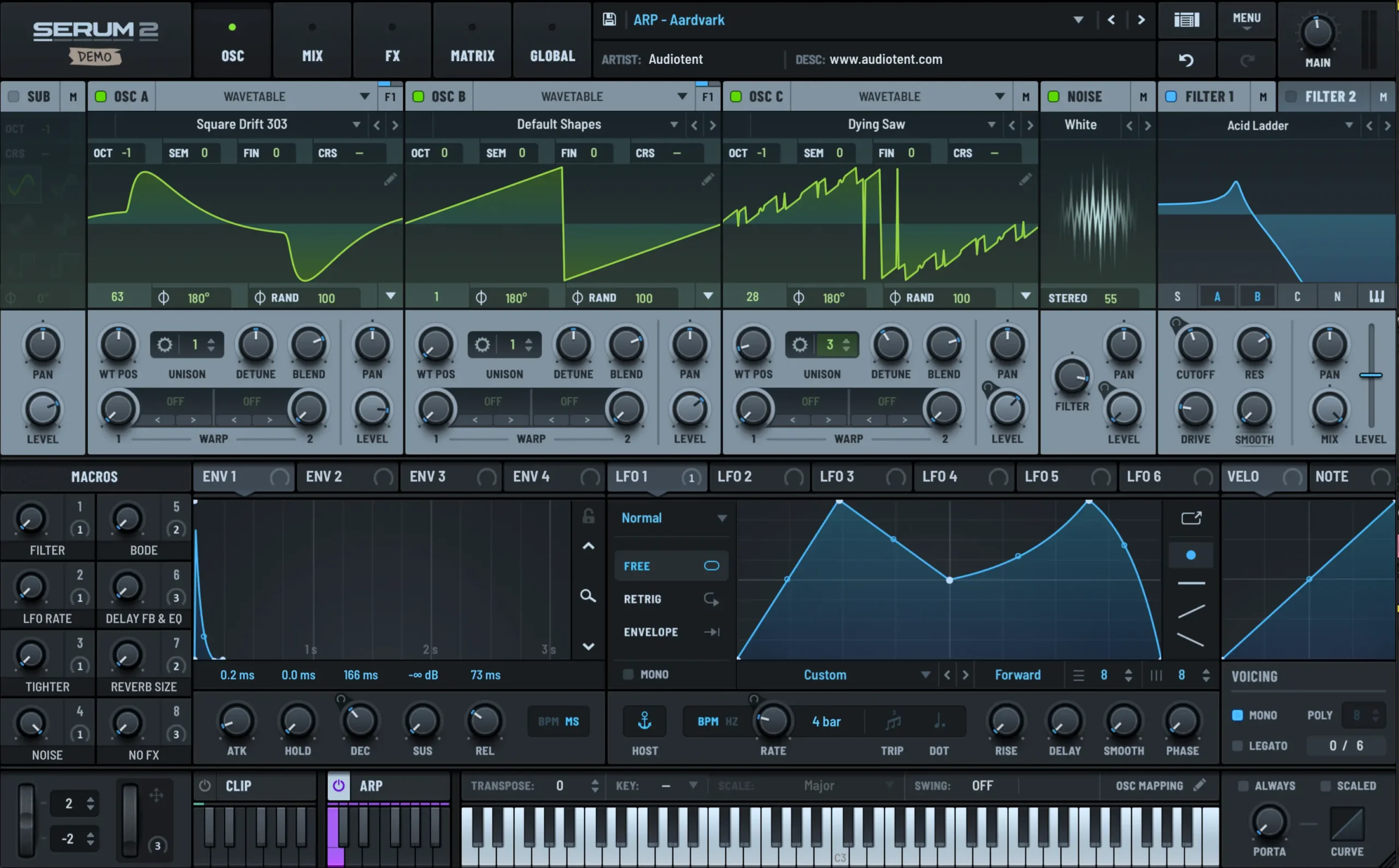
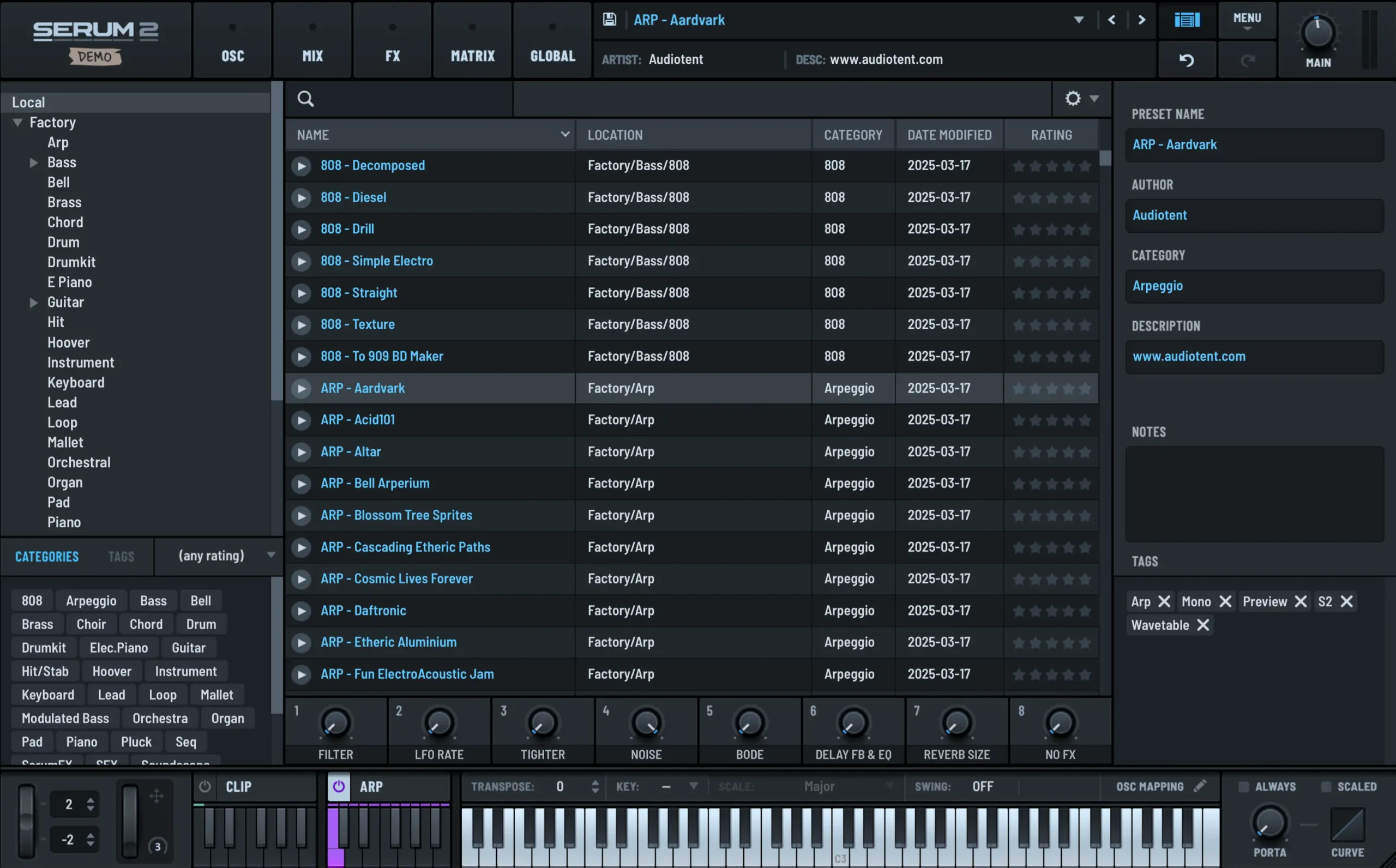
Upon installing Serum 2, the first thing I noticed was how familiar it felt. Xfer didn’t mess with the core UI and layout, so longtime users won’t have to re-learn the synth. But under the hood, there’s plenty of new and improved functionality that makes it a more versatile tool.
The first sound test instantly showed that Serum’s signature clarity and crispness remain intact. The factory presets alone offer a great mix of classic and modern tones, from aggressive basses to evolving pads. Navigating through them was smooth, and the new updates didn’t feel like a disruption but rather an evolution of an already solid design.
What’s New in Serum 2?
1. Granular Synthesis Mode
Serum 2 introduces a granular engine, which means you can now slice and manipulate audio in ways that weren’t possible before. This opens up a whole new level of sound design potential. You can create everything from glitchy textures to lush evolving atmospheres with just a few tweaks.
2. MPE (MIDI Polyphonic Expression) Support
MPE lets you control things like pitch, filter cutoff, and modulation per note. This is a huge deal if you use expressive controllers like the ROLI Seaboard or Linnstrument. It allows for a level of performance nuance that simply wasn’t possible in previous versions.
3. Performance Boosts
Xfer has optimized Serum 2 to be lighter on the CPU, which was a major complaint with the original version. Even on older machines, the synth now runs more efficiently. This means you can stack more instances in a project without worrying about crashes or latency spikes.
4. New Filters and FX
More filter types, more distortion models, and an improved reverb add further depth to Serum’s already excellent sound-shaping capabilities. The new comb and formant filters bring even more character to your patches, making sound design more flexible than ever.
5. Expanded Modulation System
The mod matrix has been overhauled, making it more flexible and powerful. It’s easier to set up complex modulations without getting lost in menus. The addition of new LFO shapes and expanded envelope options means even deeper customization possibilities.
6. Refined Wavetable Editor
Serum’s powerful wavetable editor has seen some upgrades, making it easier to create and manipulate custom waveforms. The improved FFT-based editor allows for even finer control over shaping your own wavetables, making custom sound design more intuitive.

Is Serum 2 Worth It?
If you already own Serum, this update is a no-brainer. It’s free, it adds some fantastic features, and it doesn’t disrupt the workflow you’re used to. Just update and enjoy. Even if you were hesitant about Serum before, the new additions make it worth revisiting.
If you’ve never used Serum before, I’d recommend trying the free trial before buying. The synth still has a distinct digital character, which may or may not fit your style. However, the improvements in Serum 2 make it a more tempting option than ever. The addition of granular synthesis alone makes it a serious competitor to other modern synths.
Serum remains a sound designer’s dream, offering extensive modulation capabilities, pristine audio quality, and now even more tools to shape unique sounds. If you work in electronic music, sound design, or scoring, there’s a good chance you’ll find something here that fits your needs.

Final Thoughts
Giving Serum 2 a proper test run, I found myself actually enjoying it in a way I never did with the original. The playability of the new presets, the granular mode, and the lower CPU usage make it a much more appealing synth for me.
The expanded feature set feels like a natural progression rather than a bloated update. While it might not revolutionize the way you make music, it does refine and expand upon an already fantastic tool.
Serum 2 might not completely change your opinion if you weren’t a fan before, but if you’re looking for a powerful, flexible, and modern wavetable synth, it’s absolutely worth checking out. Whether you’re a sound designer, a producer looking for cutting-edge sounds, or just someone who loves tweaking synths, Serum 2 is definitely worth your time.